Buy madonna.eu ?
We are moving the project
madonna.eu .
Are you interested in purchasing the domain
madonna.eu ?
domain@kv-gmbh.de · 0541-91531010
Buy madonna.eu ?
What is a dominant in music theory?
In music theory, a dominant is the fifth note of a diatonic scale. It is also the chord built on this note, typically a major chord. The dominant chord has a strong pull or tension towards the tonic chord, which creates a sense of resolution and stability in music. This tension and resolution relationship between the dominant and tonic chords is a fundamental aspect of tonal harmony in Western music. **
What is the Tristan chord in music theory?
The Tristan chord is a specific chord used in music theory, famously associated with Richard Wagner's opera "Tristan und Isolde." It is a dissonant chord consisting of the notes F, B, D#, and G#, creating a sense of tension and unresolved harmony. The use of the Tristan chord was groundbreaking in its time and has since become a symbol of musical innovation and the exploration of new harmonic possibilities. Its unresolved nature has made it a subject of much analysis and discussion among music theorists and composers. **


Similar search terms for In theory
Top-Angebote
Products related to In theory:
-
"""Quattro Theory""" """Quattro Theory Cabernet Sauvignon 2022 Red Wine - California""""""Quattro Theory's winemaker seeks to showcase the freshness and classic varietal character of the highest-quality Napa Valley Cabernet Sauvignons. Every aspect of the winemaking process is intentionally designed to ensure the wine's structure..."47,99 $*Shipping: 0,00 $Secure redirect to the provider
-
RLF Home String Theory Regal Valance"RLF Home String Theory Regal Valance. Mesmerizing pattern with lines and splats. Decorator's quality fabrics. Ivory Poly/Cotton Lining. 3"" Rod Pocket Use a 2-1/2"" Continental curtain rod, regular 3/4"" Curtain rod or tension rod. Fits Windows up to..."67,89 $*Shipping: 0,00 $Secure redirect to the provider
-
Stationery Office The Official DVSA Theory Test for Car Drivers 2026: DVSA Theory Test Cars 2026 new ed (Statutory Instruments 2018)Prepare to Pass Your Theory Test First Time Get ready to ace the multiple-choice section of your theory test with the number-one best-selling theory test book – the ONLY official expert revision guide. This new edition has been updated to include the latest changes to the car theory test revision questions. Key features: Practice questions: Includes ALL the official DVSA theory test revision questions for all 14 topics, so you can see how much you've learnt. From theory to practice: Things to discuss and practise with your instructor to help you apply the theory when you're behind the wheel. Bite-size information: Written in an easy-to-remember way that links the theory to your practical driving experience, helping you to really understand. Learn your way: Features loads of photos and diagrams, links to more information and videos online, hints and tips to help you learn, and expert advice on what to expect on the day. Extra help to understand the answers: Each question includes references to the official source materials, where you can learn more.16,99 £*Shipping: 2,99 £Secure redirect to the provider
-
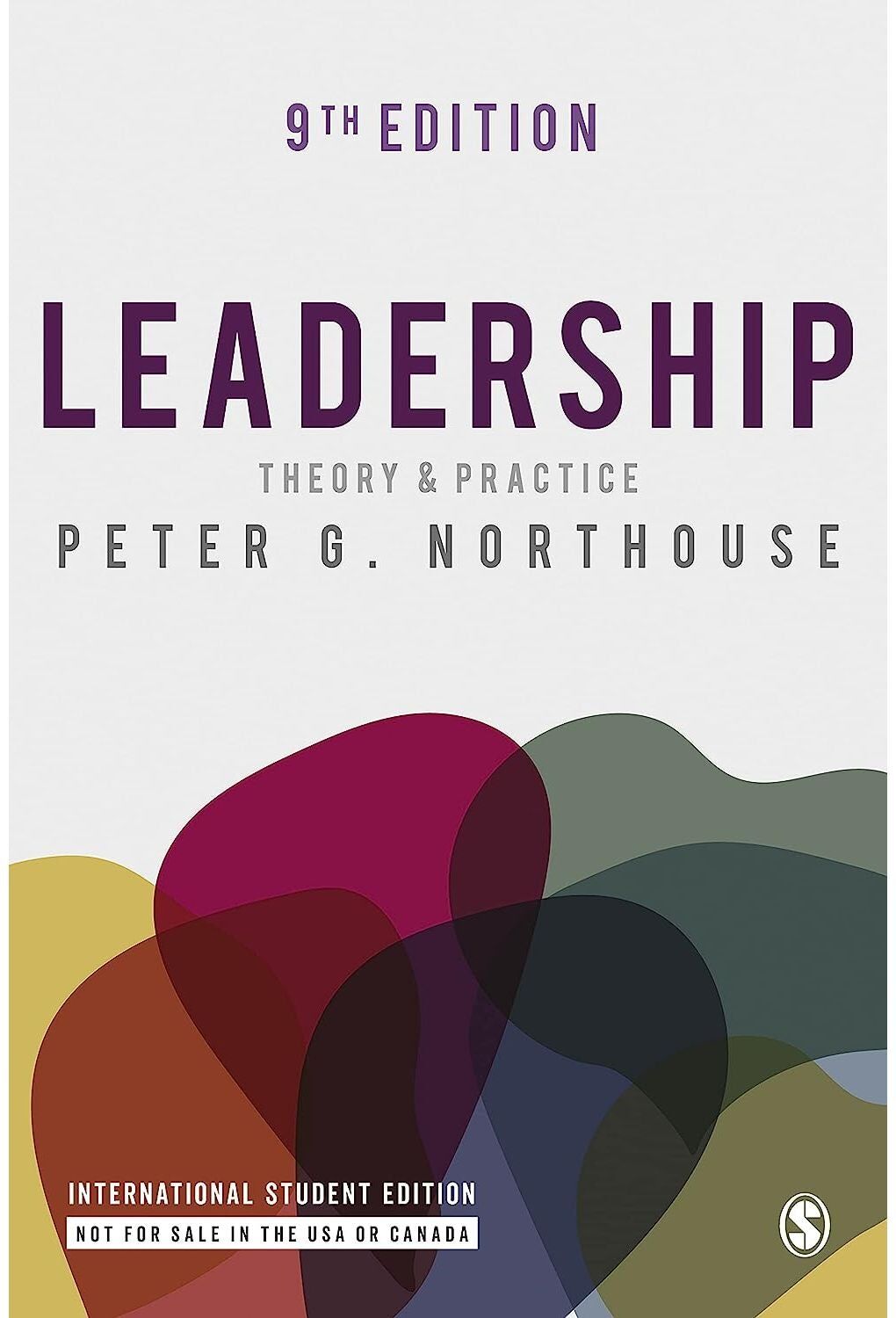
SAGE Publications Leadership - International Student Edition: Theory and PracticeThe market-leading Leadership: Theory and Practice by Peter G. Northouse presents an academically robust account of the major theories and models of leadership with a focus on how theory can inform practice. Case studies and questionnaires provide students with practical examples and opportunities to deepen their understanding of their own leadership style.The fully updated Ninth Edition features a new chapter on inclusive leadership, 17 new real-world cases that profile leaders from across the globe, a new discussion on leadership and morality, and examples of timely issues such as leadership during the COVID-19 pandemic. Key features include: A consistent chapter structure that outlines each approach and the major studies behind them, presents strengths and criticisms for each approach, and provides case studies and a self-assessment questionnaire at the end of each chapter, allowing students to easily compare and contrast the various theories. Three case studies in each chapter help students to apply leadership concepts in real-world scenarios. Self-assessments within each chapter provides self-assessment and reflection opportunities for each theory presented.45,49 £*Shipping: 0,00 £Secure redirect to the provider



-
How do you determine intervals in music theory?
In music theory, intervals are determined by counting the number of letter names and the distance between them. For example, the interval from C to E is a third because there are three letter names (C, D, E) and the distance between C and E is three half steps. Intervals can also be major, minor, perfect, augmented, or diminished, depending on the number of half steps they contain. The quality of an interval is determined by comparing it to the corresponding major or perfect interval. **
-
Is Herman van Veen a singer-songwriter, pop artist, or Schlager singer?
Herman van Veen is a singer-songwriter. He is known for his folk and pop music, as well as his skills as a songwriter. While he has incorporated elements of various genres into his music, his style is primarily characterized by his thoughtful lyrics and melodic compositions. **
-
Where is the note B located in music theory?
In music theory, the note B is located on the second line from the bottom of the treble clef staff. It is also located on the third line from the top of the bass clef staff. B is the second note in the B major scale and is known as the leading tone in the key of C major. **
-
What is the Motive-Music Theory?
The Motive-Music Theory is a concept in music theory that focuses on the smallest identifiable musical unit, known as a motive. This theory suggests that motives are the building blocks of musical composition and can be used to create coherence and unity within a piece of music. By analyzing and manipulating motives, composers can develop themes, variations, and transformations that contribute to the overall structure and meaning of a musical work. The Motive-Music Theory is a valuable tool for understanding how composers craft their music and create connections between different sections of a composition. **

What is music theory and analysis?
Music theory and analysis is the study of the structure and elements of music, including harmony, melody, rhythm, and form. It involves understanding how music is put together and how it functions, as well as the principles and rules that govern musical composition. Analysis involves breaking down a piece of music to understand its components and how they work together to create the overall effect. Music theory and analysis are essential for musicians and composers to understand and communicate musical ideas effectively. **
How can I relearn music theory?
To relearn music theory, you can start by reviewing the basics such as note reading, scales, and key signatures. You can also use online resources, books, or enroll in a music theory class to refresh your knowledge. Practice applying the theory to your instrument or voice to reinforce your understanding. Additionally, consider finding a music teacher or tutor who can provide personalized guidance and feedback as you relearn music theory. **
Top-Angebote
Products related to In theory:
-
"""Quattro Theory""" """Quattro Theory Chardonnay 2022 White Wine - California""""""Working with cool-climate fruit, Quattro Theory achieves a Napa Valley Chardonnay that is more traditional in style with balanced acidity, minimal oak and non-malolactic fermentation to highlight a full range of varietal fruit expression, taking..."37,97 $*Shipping: 0,00 $Secure redirect to the provider
-
"""Quattro Theory""" """Quattro Theory Sauvignon Blanc 2023 White Wine - California""""""Quattro Theory's winemaker, Landon Donley, considers Sauvignon Blanc to be the premier white wine of Napa Valley. Quattro Theory Sauvignon Blanc is classic in style and captures the best expression of Napa Valley: vibrant citrus and stone fruit..."26,97 $*Shipping: 0,00 $Secure redirect to the provider
-
"""Quattro Theory""" """Quattro Theory Cabernet Sauvignon 2022 Red Wine - California""""""Quattro Theory's winemaker seeks to showcase the freshness and classic varietal character of the highest-quality Napa Valley Cabernet Sauvignons. Every aspect of the winemaking process is intentionally designed to ensure the wine's structure..."47,99 $*Shipping: 0,00 $Secure redirect to the provider
-
RLF Home String Theory Regal Valance"RLF Home String Theory Regal Valance. Mesmerizing pattern with lines and splats. Decorator's quality fabrics. Ivory Poly/Cotton Lining. 3"" Rod Pocket Use a 2-1/2"" Continental curtain rod, regular 3/4"" Curtain rod or tension rod. Fits Windows up to..."67,89 $*Shipping: 0,00 $Secure redirect to the provider
-
What is a dominant in music theory?
In music theory, a dominant is the fifth note of a diatonic scale. It is also the chord built on this note, typically a major chord. The dominant chord has a strong pull or tension towards the tonic chord, which creates a sense of resolution and stability in music. This tension and resolution relationship between the dominant and tonic chords is a fundamental aspect of tonal harmony in Western music. **
-
What is the Tristan chord in music theory?
The Tristan chord is a specific chord used in music theory, famously associated with Richard Wagner's opera "Tristan und Isolde." It is a dissonant chord consisting of the notes F, B, D#, and G#, creating a sense of tension and unresolved harmony. The use of the Tristan chord was groundbreaking in its time and has since become a symbol of musical innovation and the exploration of new harmonic possibilities. Its unresolved nature has made it a subject of much analysis and discussion among music theorists and composers. **
-
How do you determine intervals in music theory?
In music theory, intervals are determined by counting the number of letter names and the distance between them. For example, the interval from C to E is a third because there are three letter names (C, D, E) and the distance between C and E is three half steps. Intervals can also be major, minor, perfect, augmented, or diminished, depending on the number of half steps they contain. The quality of an interval is determined by comparing it to the corresponding major or perfect interval. **
-
Is Herman van Veen a singer-songwriter, pop artist, or Schlager singer?
Herman van Veen is a singer-songwriter. He is known for his folk and pop music, as well as his skills as a songwriter. While he has incorporated elements of various genres into his music, his style is primarily characterized by his thoughtful lyrics and melodic compositions. **
Similar search terms for In theory
-
Stationery Office The Official DVSA Theory Test for Car Drivers 2026: DVSA Theory Test Cars 2026 new ed (Statutory Instruments 2018)Prepare to Pass Your Theory Test First Time Get ready to ace the multiple-choice section of your theory test with the number-one best-selling theory test book – the ONLY official expert revision guide. This new edition has been updated to include the latest changes to the car theory test revision questions. Key features: Practice questions: Includes ALL the official DVSA theory test revision questions for all 14 topics, so you can see how much you've learnt. From theory to practice: Things to discuss and practise with your instructor to help you apply the theory when you're behind the wheel. Bite-size information: Written in an easy-to-remember way that links the theory to your practical driving experience, helping you to really understand. Learn your way: Features loads of photos and diagrams, links to more information and videos online, hints and tips to help you learn, and expert advice on what to expect on the day. Extra help to understand the answers: Each question includes references to the official source materials, where you can learn more.16,99 £*Shipping: 2,99 £Secure redirect to the provider
-
SAGE Publications Leadership - International Student Edition: Theory and PracticeThe market-leading Leadership: Theory and Practice by Peter G. Northouse presents an academically robust account of the major theories and models of leadership with a focus on how theory can inform practice. Case studies and questionnaires provide students with practical examples and opportunities to deepen their understanding of their own leadership style.The fully updated Ninth Edition features a new chapter on inclusive leadership, 17 new real-world cases that profile leaders from across the globe, a new discussion on leadership and morality, and examples of timely issues such as leadership during the COVID-19 pandemic. Key features include: A consistent chapter structure that outlines each approach and the major studies behind them, presents strengths and criticisms for each approach, and provides case studies and a self-assessment questionnaire at the end of each chapter, allowing students to easily compare and contrast the various theories. Three case studies in each chapter help students to apply leadership concepts in real-world scenarios. Self-assessments within each chapter provides self-assessment and reflection opportunities for each theory presented.45,49 £*Shipping: 0,00 £Secure redirect to the provider
-
Bodiq Theory of Microbiome Daily Hydro-Balancing Body Cleanser 250mLA cleansing product for dry or dehydrated skin. The This product is a gentle daily body cleanser developed to help maintain the skin’s natural balance while cleansing and hydrating. Enriched with microbiome-supporting ferments, peptides, and moisturizing ingredients, it helps leave the skin feeling soft, smooth, and comfortable after every wash.16,69 £*Shipping: 6,94 £Secure redirect to the provider
-
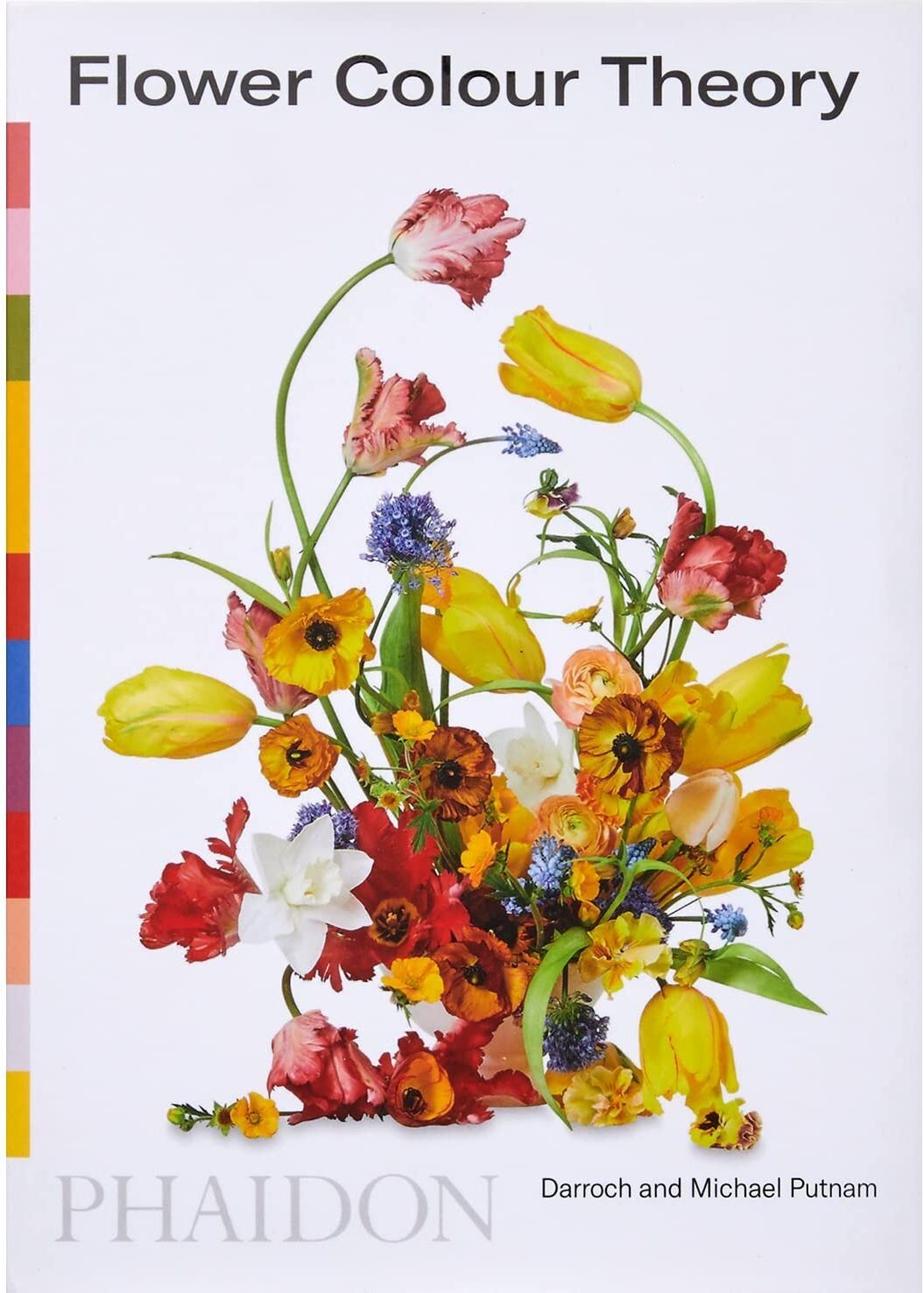
Phaidon Press Flower Colour Theory by Taylor Putnam, Michael PutnamThe ultimate flower-arrangement reference book from New York's 'go-to' floral designers Putnam & Putnam - how to combine the extraordinary colours in nature to create stunning results Cult floral designers Taylor Putnam and Michael Putnam's Flower Colour Theory, the follow-up to their acclaimed globally bestselling debut Flower Colour Guide, is the only guide that uses colour theory as the starting point for floral design. The book features 175 arrangements that show myriad ways to combine flowers of different shades and hues, all built around classic categories including analogous, complementary, monochrome, triadic, transitional, and accent colours. Flower Colour Theory is both inspirational and a practical guide to creating lush, romantic, and effortlessly elegant creations of your own.17,99 £*Shipping: 2,99 £Secure redirect to the provider
-
Where is the note B located in music theory?
In music theory, the note B is located on the second line from the bottom of the treble clef staff. It is also located on the third line from the top of the bass clef staff. B is the second note in the B major scale and is known as the leading tone in the key of C major. **
-
What is the Motive-Music Theory?
The Motive-Music Theory is a concept in music theory that focuses on the smallest identifiable musical unit, known as a motive. This theory suggests that motives are the building blocks of musical composition and can be used to create coherence and unity within a piece of music. By analyzing and manipulating motives, composers can develop themes, variations, and transformations that contribute to the overall structure and meaning of a musical work. The Motive-Music Theory is a valuable tool for understanding how composers craft their music and create connections between different sections of a composition. **
-
What is music theory and analysis?
Music theory and analysis is the study of the structure and elements of music, including harmony, melody, rhythm, and form. It involves understanding how music is put together and how it functions, as well as the principles and rules that govern musical composition. Analysis involves breaking down a piece of music to understand its components and how they work together to create the overall effect. Music theory and analysis are essential for musicians and composers to understand and communicate musical ideas effectively. **
-
How can I relearn music theory?
To relearn music theory, you can start by reviewing the basics such as note reading, scales, and key signatures. You can also use online resources, books, or enroll in a music theory class to refresh your knowledge. Practice applying the theory to your instrument or voice to reinforce your understanding. Additionally, consider finding a music teacher or tutor who can provide personalized guidance and feedback as you relearn music theory. **
* All prices are inclusive of VAT and, if applicable, plus shipping costs. The offer information is based on the details provided by the respective shop and is updated through automated processes. Real-time updates do not occur, so deviations can occur in individual cases. ** Note: Parts of this content were created by AI.